

I need to stop crashing my computer with R: a blog about gc()
Packages we will use: I am working with a large dataset in R at the moment (it’s got event data with lots of text), and my computer fan is working overtime. I’m also beginning to realise my coding issues are actually memory problems disguised as coding problems. So recently, I have had to learn alot…

From loop to purrr
The first instinct for many R users (especially those coming from other programming languages) is to use run of the mill for loop: This works fine. It loops through country_1 to country_8, checks if each column exists, and converts the country names into COW codes. Buuut there’s another way to do this. Enter purrr and…
Graphing female politicians in Irish parliament with R PART 2: Trends and Maps
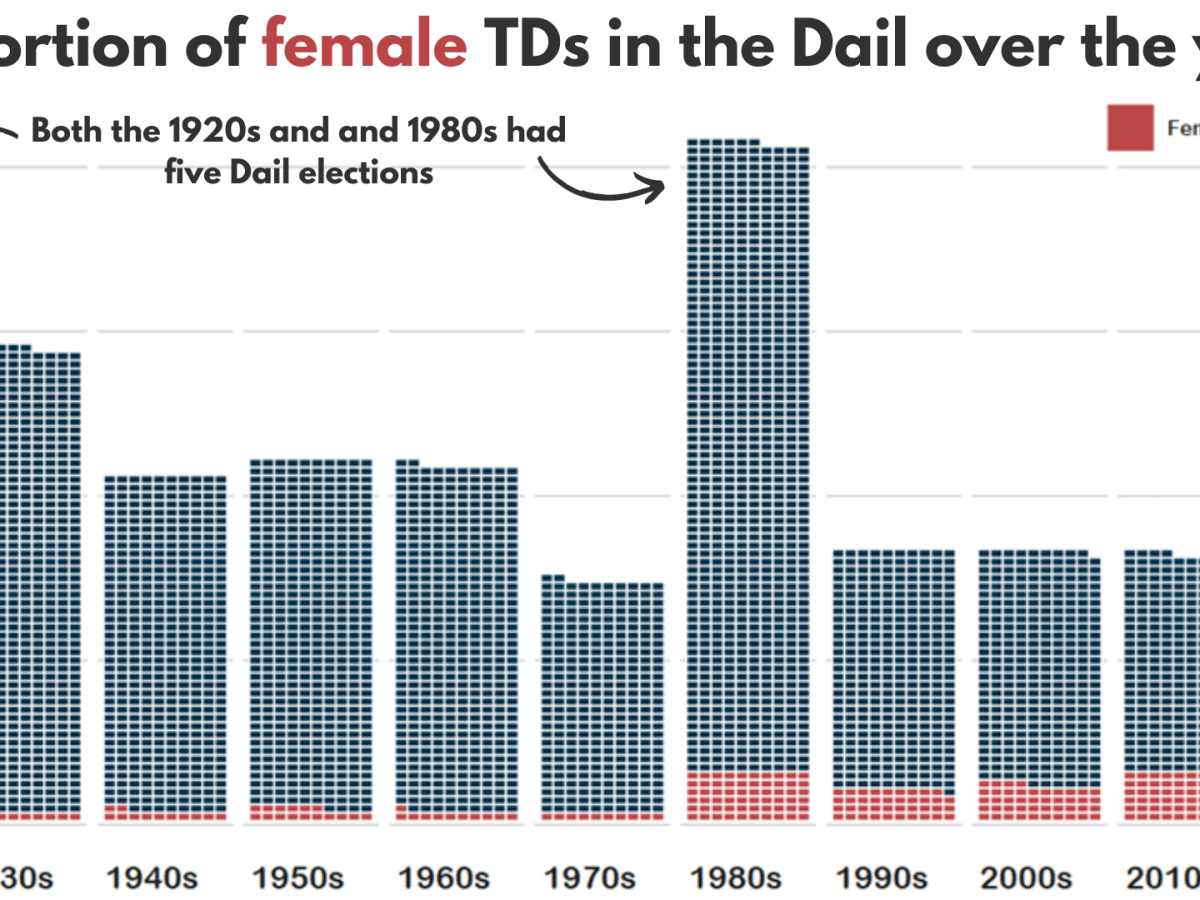
Packages we will need In PART 1, we looked at the gender package to help count the number of women in the 33rd Irish Parliament. I repeated that for every session since 1921. The first and second Dail are special in Ireland as they are technically pre-partition. Cleaned up the data aaaand now we have…
How to download and graph interactive country maps in R
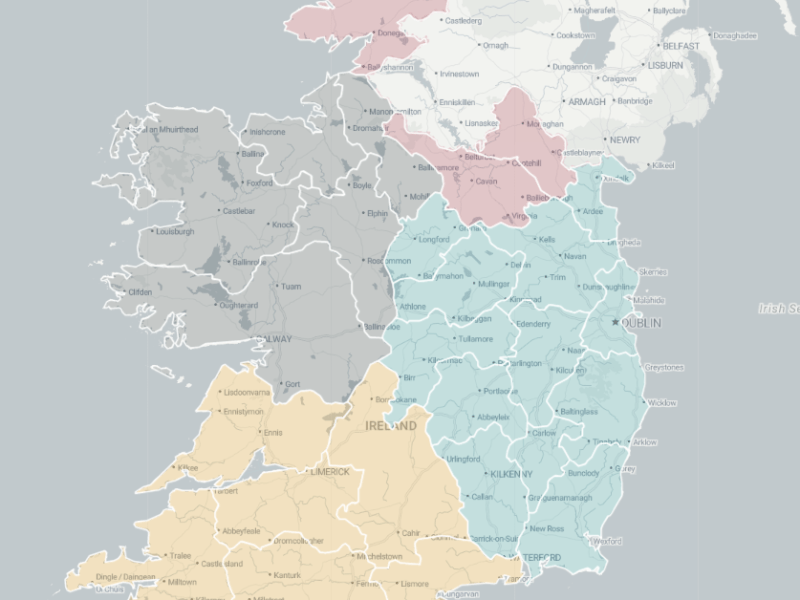
Packages we will be using: In this blog, we will make maps! Mapppsss!!! Go to this website and find the country GeoJSON you want to download: We can choose the country we want. For example, Ireland Or South Korea, maybe~ Click the blue button to download the file. I saved it on my desktop so…
Graphing female politicians in Irish parliament R PART 1: Predicting names
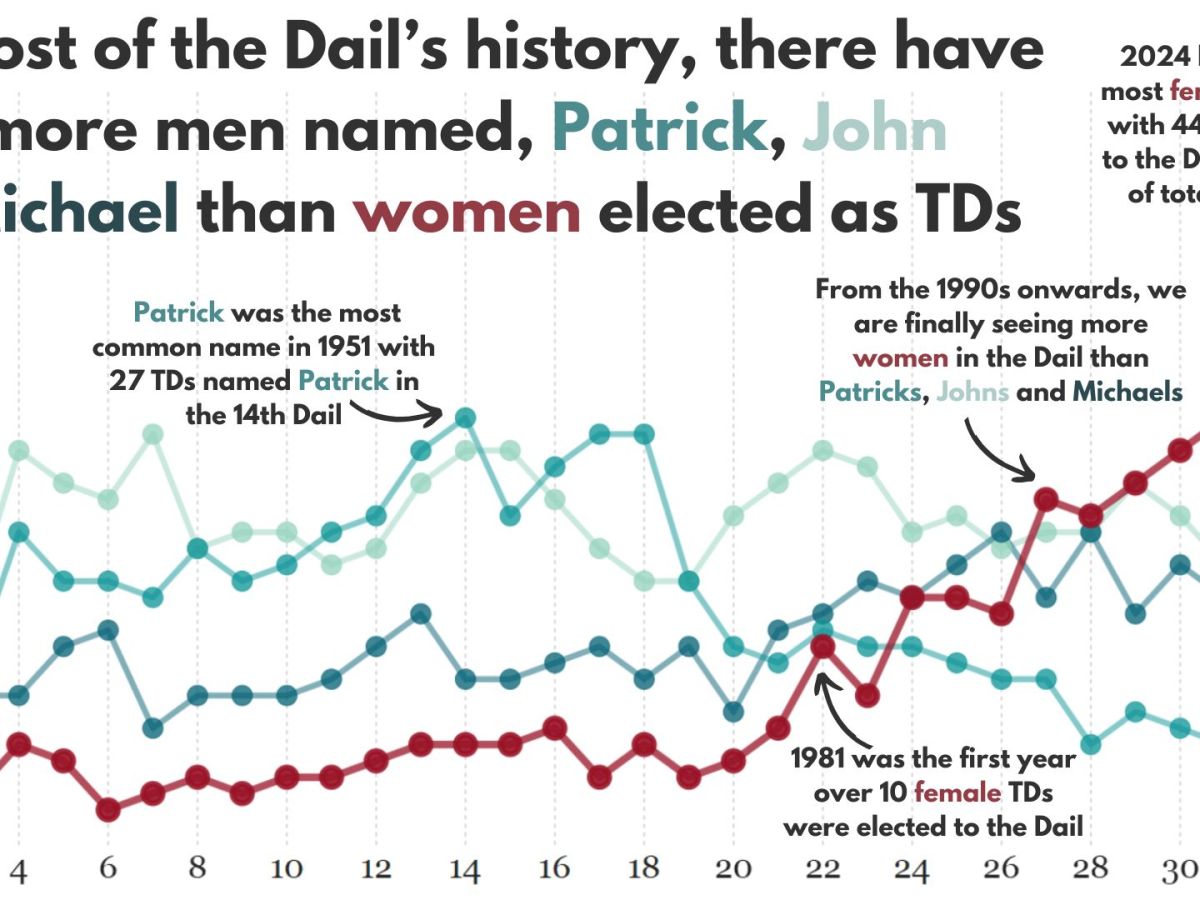
Packages we will be using: I heard a statistic a while ago that there are more men named Mike than total women in charge of committees in the US Senate. In this blog, we can whether the number of women in the Irish parliament outnumber any common male name. A quick glance on the most…
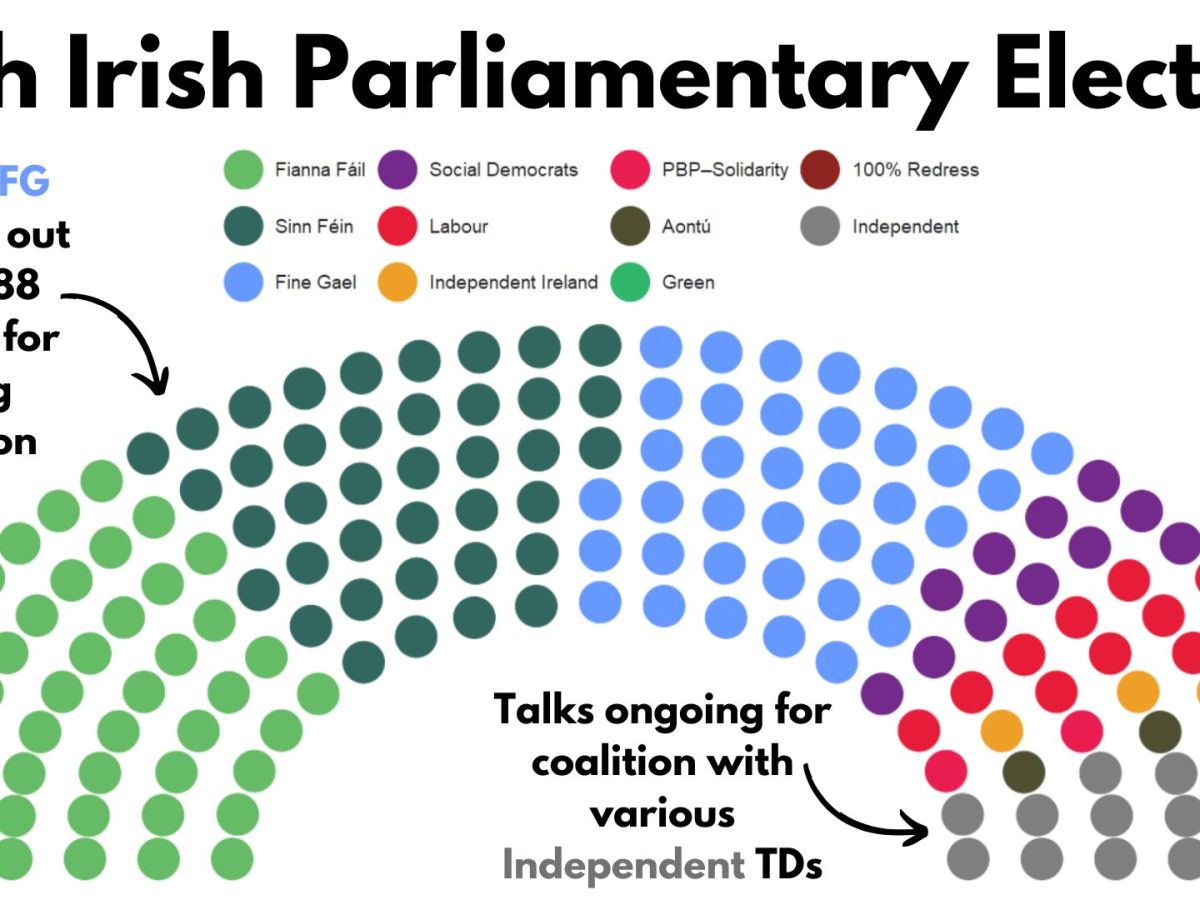
How to web scrape and graph 2024 Irish election data with R
Packages we will use: I am an Irish person living abroad. I did NOT follow the elections last year. So, as penance (as I just mentioned, I am Irish and therefore full of phantom Catholic guilt for neglecting political news back home), we will be graphing some of the election data and familiarise ourselves with…

How to use parallel processing to speed up executing large / complex models in R
Packages we will need: In this blog, we look at a few lines of code that help us run multiple models with panel data more quickly with parallel processing. We can use the Varieties of Democracy (V-DEM) package to download our data! Click here to read more about downloading V-DEM data from the vdemdata package…

How to automate panel data modelling with dynamic formulas in R
Packages we will need: When I am running a bunch of regressions, I can get bogged down with lines and lines of code. As a result, it is annoying if I want to change just one part of the formula. This means I have to go to EACH model and change the variable (or year…

How to improve graphs with themes and palettes: Top packages in R
In this blog, we can look at ways to make our plots and graphs more appealing to the eye. Before we go about working on the aesthetics, let’s build and save a typical political science graph. We will examine the inverted U shape between democracy and level of mass mobilization across six different regions. The…

How to download and animate the Varieties of Democracy (V-DEM) dataset in R
In this blog post, we will download the V-DEM datasets with their vdemdata package. It is still in development, so we will use the install_github() function from the devtools package And really quickly we can download the dataset with one line of code We can use the find_var function to get information on variables based…
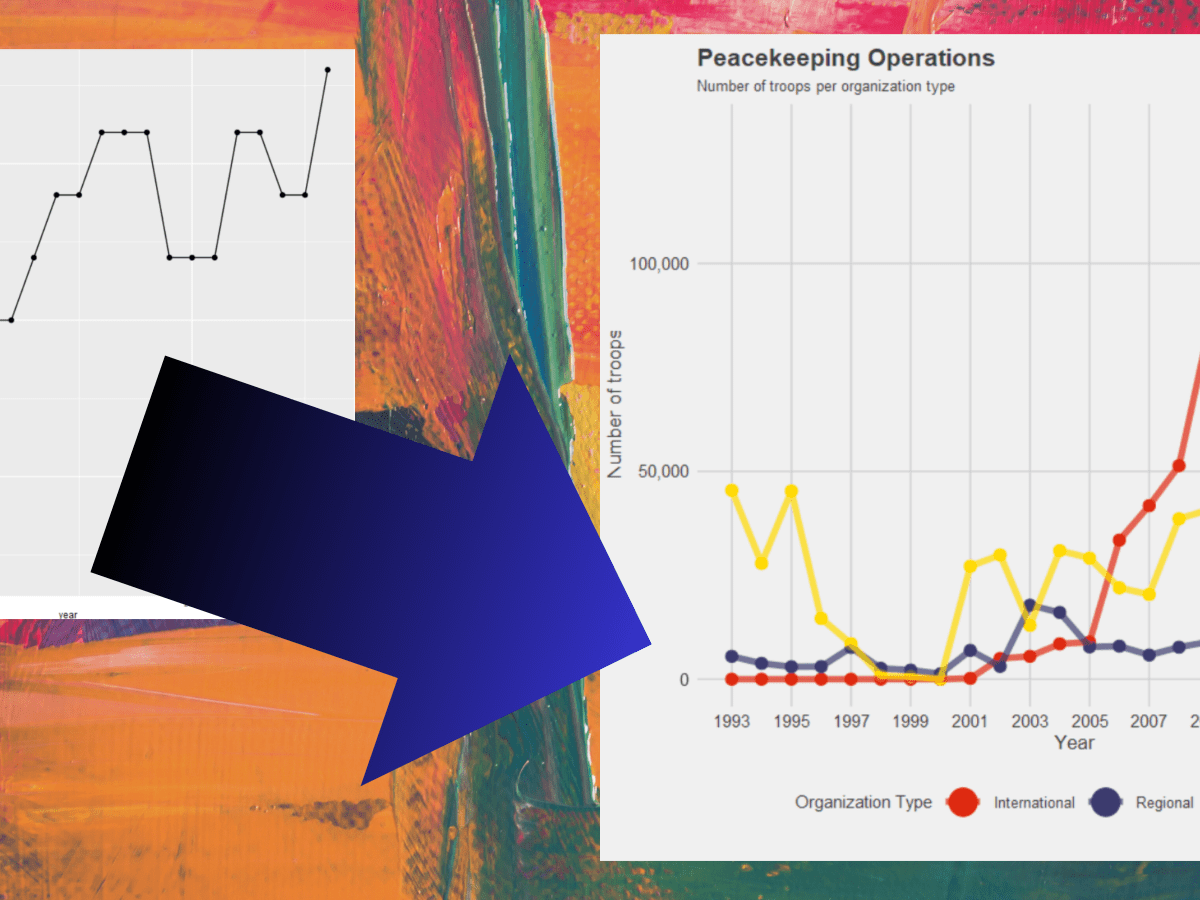
Tips and code snippets to improve ggplot graphs and plots in R
Some code snippets to improve graph appearance and readability! Compare the first basic graph with the second more informative graph. Dealing with the z and y axes can be a pain. In this code: The breaks argument of scale_y_continuous() is set using a custom function that takes limits as input (which represents the range of…

How to only label the outliers in a ggplot graph with R
Another blog I will make to have easy access to code snippets for my own record. We will use an example with data from V-DEM. Click here to read more about downloading the V-DEM dataset v2x_jucon: To what extent does the executive respect the constitution and comply with court rulings, and to what extent is…

How to rowwise sum the variables that contain the same variable string pattern in R
This is another blog post so that I can keep a snippet of code for myself! And if you find it helpful too, all the better. We will be completing rowwise computations, which is not the default in R. Therefore, we need to explicitly state that is what we are hoping to do In this…

Removing variables from V-DEM according to string suffixes
In this blog, I just want to keep the code that removes the Varieties of Democracy variables that are not the continuous variables and the run exploratory correlation analysis. Click here to read more about downloading the V-DEM dataset directly into R via the vdemdata package in R Click here to download the V-DEM dataset…

How to run multiple t-tests in a function with the broom package in R
Packages we will need: We will use the Varieties of Democracy dataset again. We will use a t-test comparing democracies (boix == 1) and non-democracies (boix == 0) in the years 2000 to 2020. We need to remove the instances where boix is NA. I choose three t-tests to run simultaneously. Comparing democracies and non-democracies…

How to use the assign() function in R
We can use the assign function to create new variables. Most often I want to assign variables that I create to the Global Environment. assign particularly useful in loops, simulations, and scenarios involving conditional variable naming or creation. The basic syntax of the assign function is assign(x, value, pos = -1, envir = as.environment(pos), inherits…

How to run cross-validation of decision-tree models with xgboost in R (PART 4 Tidymodels series)
In this blog post, we will cross-validate different boosted tree models and find the one with best root mean square error (RMSE). Specifically, part 2 goes into more detail about RMSE as a way to choose the best model Click here to read part 1, part 2 or part 3 of this series on tidymodel…

How to run decision tree analysis with xgboost in R (Tidymodels Series PART 3)
Packages we will need: In this blog post, we are going to run boosted decision trees with xgboost in tidymodels. Boosted decision trees are a type of ensemble learning technique. Ensemble learning methods combine the predictions from multiple models to create a final prediction that is often more accurate than any single model’s prediction. The…

How to run linear regression analysis with tidymodels in R for temporal prediction (Tidymodels Series PART 2)
Packages we will need: We will look at Varieties of Democracy dataset We will create two datasets: one for all years EXCEPT 2020 and one for only 2020 First we build the model. We will look at whether level of public sector theft can predict the judicial corruption levels. The model will have three parts…

How to run regressions with the tidymodels package in R: PART 1
The tidymodels framework in R is a collection of packages for modeling. Within tidymodels, the parsnip package is primarily responsible for specifying models in a way that is independent of the underlying modeling engines. The set_engine() function in parsnip allows users to specify which computational engine to use for modeling, enabling the same model specification…
 R Functions and Packages for Political Science Analysis